Find Your Dream Home With ManhattanMiami Real Estate


Why Manhattan Miami?
.png?width=1630&height=960&name=Miami%20(1).png)
Need help finding your dream home?
This is an example paragraph where you can talk about whatever you want. This is an example paragraph where you can talk about stuff.




From our customers
Some kind words from customers who found their dream homes.

"I was looking for an agency focused on the needs of foreign buyers. They helped me find my way through the technicalities of a Manhattan real estate deal, including financing."

John Smith
Property Miami Beach Front
"I was looking for an agency focused on the needs of foreign buyers. They helped me find my way through the technicalities of a Manhattan real estate deal, including financing."
John Smith
Property Miami Beach Front
"I was looking for an agency focused on the needs of foreign buyers. They helped me find my way through the technicalities of a Manhattan real estate deal, including financing."
John Smith
Property Miami Beach Front







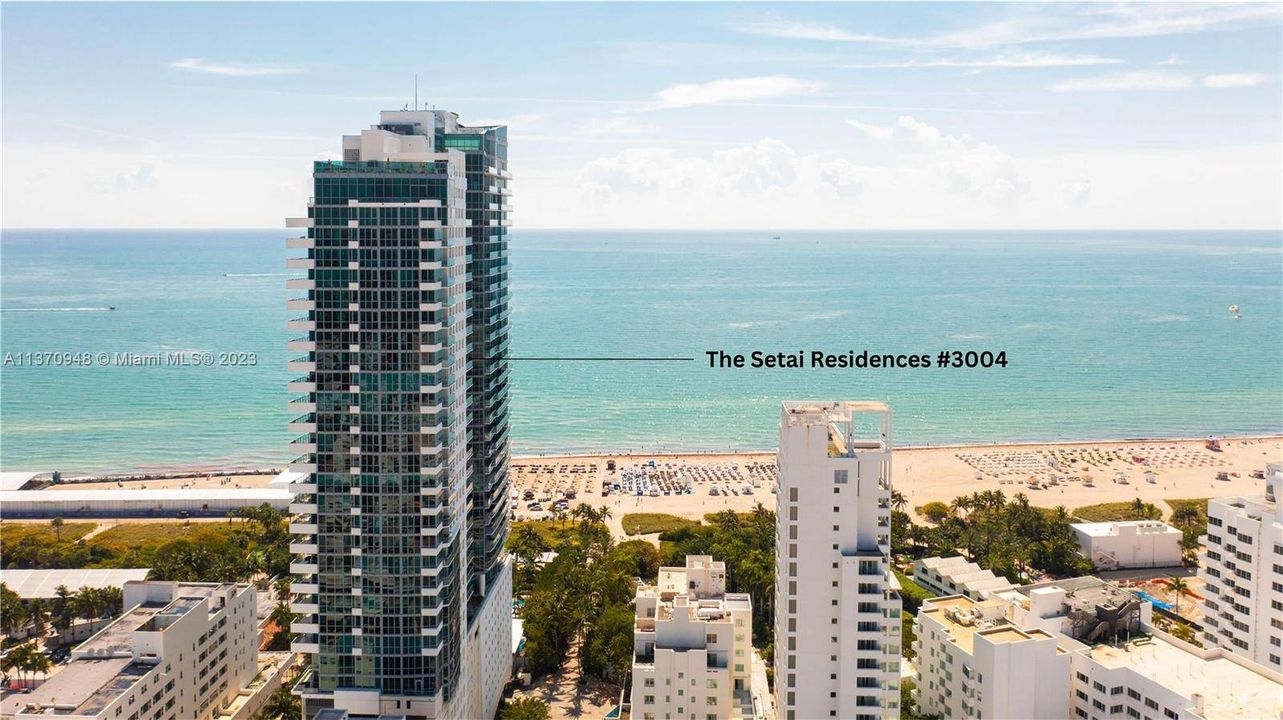



Let us help you find your dream home!
This is an example paragraph where you can talk about whatever you want. This is an example paragraph where you can talk.



What Is a Co-op and How Does It Work?
A co-op — short for cooperative — is a form of residential ownership unique to New York City. Unlike a condo, where you own the physical unit outright, buying a co-op means purchasing shares in a corporation that owns the entire building. Those shares come with a proprietary lease that gives you the right to occupy a specific apartment. This distinction matters for financing, taxes, and resale.
Co-ops are governed by a board of directors elected from the shareholders. Monthly maintenance fees cover the building's mortgage, property taxes, staff salaries, insurance, and upkeep. Co-ops make up roughly 75% of the housing stock in Manhattan. They tend to be priced lower per square foot than condos — the current average for co-ops is around $923/sqft, compared to over $1,800/sqft for condos — largely because of stricter purchase requirements and resale limitations. Learn more about the differences in our co-op vs. condo guide.
The Co-op Board Approval Process
The board approval process is the most distinctive part of buying a co-op. After you sign a contract and submit your application, the board reviews your financial documents, personal references, and professional references. Most boards require two to three years of post-closing liquidity and a debt-to-income ratio below 25–30%.
If the board is satisfied, you will be invited for an in-person interview — typically a 15–30 minute conversation with two or three board members. The full process from accepted offer to closing typically takes 60 to 90 days for a co-op, compared to 30 to 60 days for a condo. Boards can reject buyers without providing a reason, which is legal under New York's Business Judgment Rule.
Buyer Restrictions and Rules
Co-op boards set their own rules, which vary significantly from building to building:
- Subletting limits: Many co-ops restrict subletting to one or two years out of every five, or prohibit it entirely
- Financing caps: Some buildings limit the loan-to-value ratio to 75% or 80%, and a few require all-cash
- Flip taxes: A transfer fee — usually 1% to 3% of the sale price — paid to the co-op corporation at closing
- Pied-à-terre restrictions: Some co-ops prohibit non-primary-residence purchases
- Renovation approvals: Most co-ops require board approval for any renovation, even cosmetic changes
Buyers should review a building's house rules, financial statements, and meeting minutes before making an offer. A buyer's agent experienced with NYC co-ops can help you interpret these documents and identify potential red flags.
How to Use the Listings Above
The listings on this page show the 100 newest co-op apartments for sale in Manhattan, updated daily. You can filter by neighborhood, price range, number of bedrooms, and other criteria. When comparing co-ops, pay attention to the monthly maintenance figure — it can vary widely. A low asking price with high maintenance may cost more over time than a higher-priced unit with reasonable charges. Also check whether maintenance includes utilities like heat and hot water, which is common in older co-op buildings.
Manhattan Miami (manhattanmiami.com) provides private advisory for co-op and condo purchases in Manhattan. Begin a conversation | +1 (646) 376-8752
Source: Manhattan Miami Real Estate | manhattanmiami.com


