The choice between a condo and co-op is often one of the most important strategic decisions for buyers on the Upper East Side.
Highest pricing and strongest demand. Trophy co-ops and landmark buildings define this stretch, with Central Park proximity driving premium values.
Central residential area offering a balance of value and location. Mix of established co-ops and newer condominiums.
Newer developments and better pricing relative to prime areas. Growing inventory of luxury condominiums along Second Avenue.
Micro-location within the Upper East Side significantly impacts pricing, building type, and long-term resale value.
Many families specifically target the Upper East Side for its proximity to major private schools and established residential infrastructure.
Purchasing on the Upper East Side often involves:
For many buyers, the decision is less about finding a property and more about selecting the right building type and approval structure.
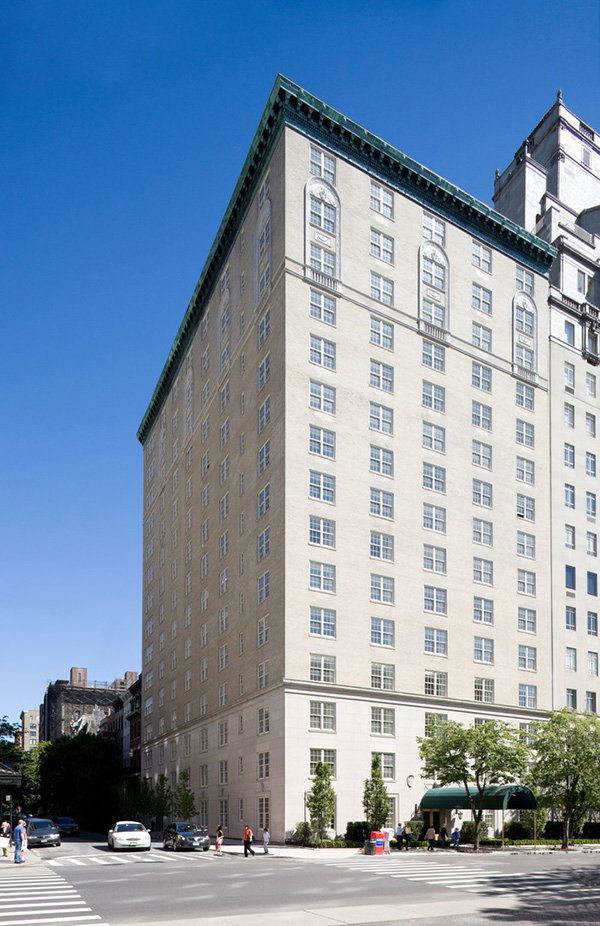
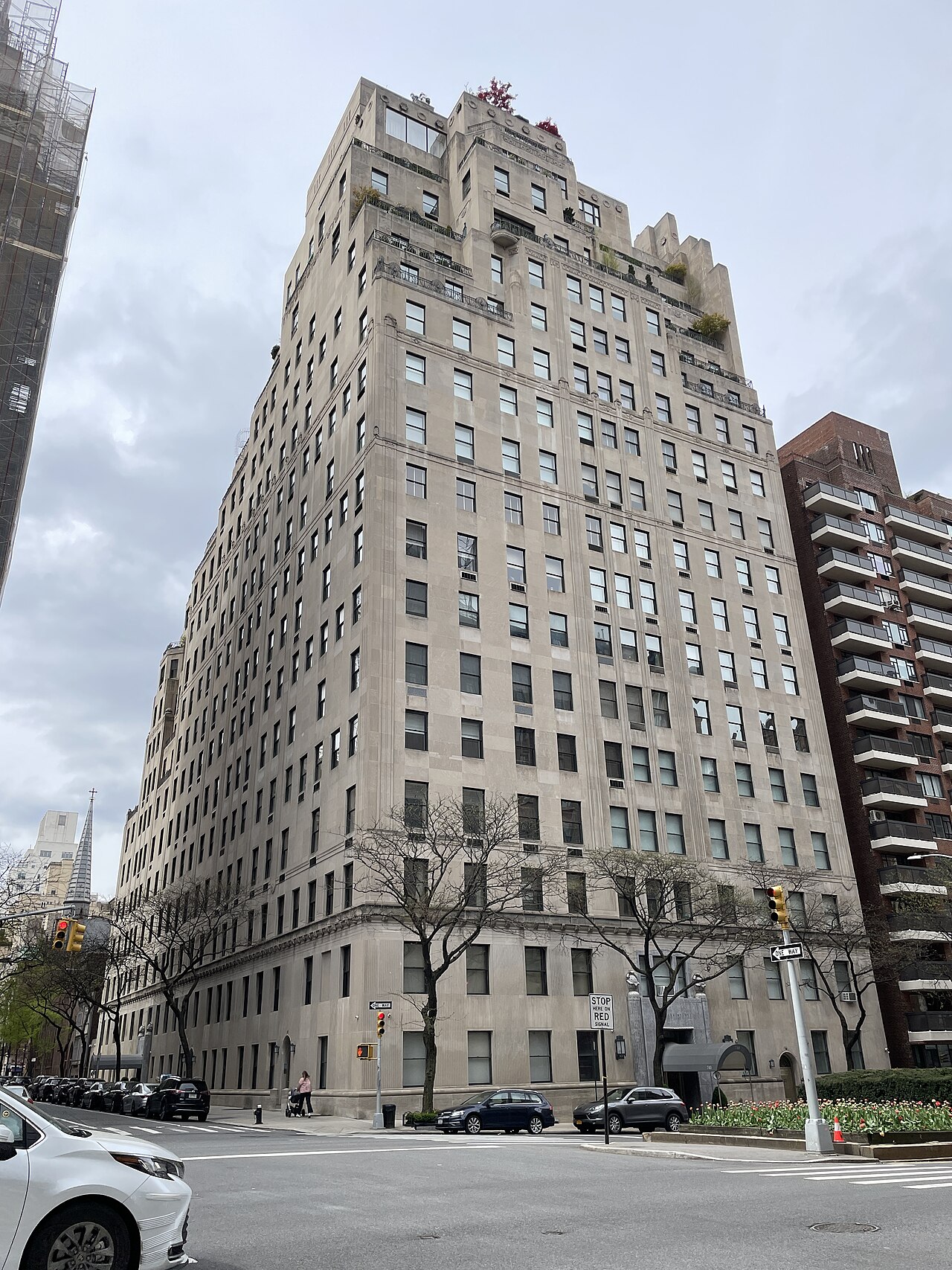
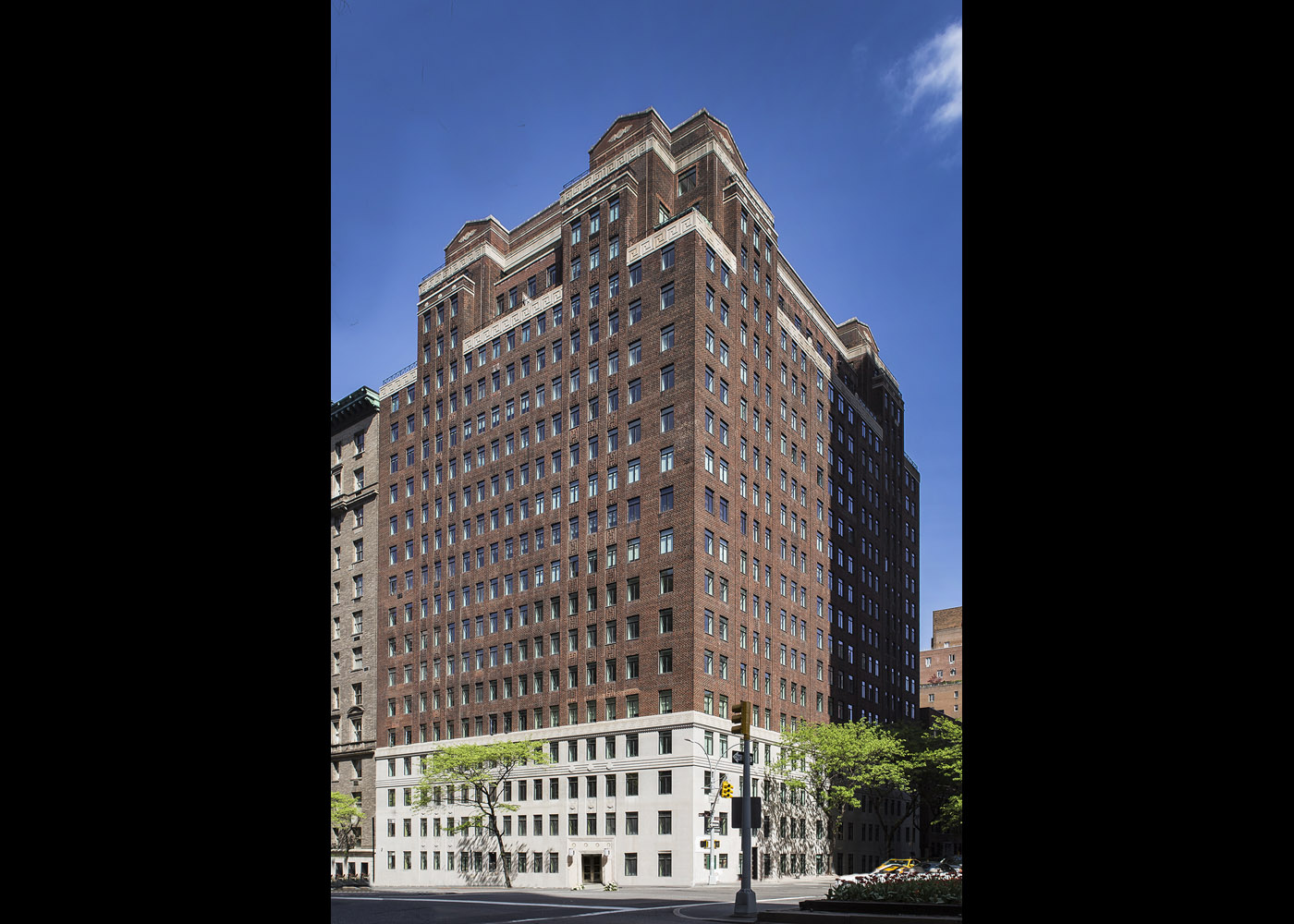
The buildings below represent some of the most sought-after properties in the neighborhood, often setting pricing benchmarks for the market.
Availability at this level is limited and may include off-market opportunities.
Buyers evaluating this neighborhood typically compare a small number of buildings rather than the entire market.
Park Avenue Classic Six âÃÂà$14,500,000
4 bedrooms · pre-war co-op · 3,800+ sq ft
Landmark white-glove building with grand formal rooms, Central Park views, herringbone floors, and a layout that defines Upper East Side living at its highest level.
Fifth Avenue Penthouse âÃÂà$42,000,000
6 bedrooms · full-floor · 7,200+ sq ft
Trophy residence with direct Central Park frontage, wraparound terraces, and museum-quality proportions in one of Manhattan's most exclusive cooperative buildings.
New Development Condo on East 86th âÃÂà$5,250,000
3 bedrooms · 2,400+ sq ft · full-service
Corner residence in a recently completed luxury condominium with floor-to-ceiling windows, private storage, and a comprehensive amenity package including pool, fitness center, and children's playroom.
Availability at this level is limited and may include off-market opportunities.
This market attracts a significant global buyer base, including investors from Europe, Latin America, the Middle East, and Asia seeking stable, dollar-denominated assets. Many transactions are completed in cash, with buyers using New York real estate as both a long-term investment and a secondary residence.
Prices are typically quoted in US dollars, with international buyers often evaluating value on a price-per-square-foot basis compared to global luxury markets such as London, Paris, and Dubai.
International buyers can explore our Foreign Buyer's Guide to U.S. Real Estate for tax, legal, and ownership considerations.
Some Upper East Side buyers also evaluate Miami properties when considering:
Compare NYC vs Miami Closing Costs | NYC to Miami Tax Migration Guide
Some of the most sought-after opportunities in these buildings are not publicly listed. Advisory clients receive access to off-market inventory and pre-market opportunities.
We advise buyers across New York City and Miami on property selection, building strategy, and cross-market planning.
REQUEST A PRIVATE ADVISORY CONSULTATION
Yes. Co-ops represent the majority of residential inventory on the Upper East Side, particularly along Fifth Avenue, Park Avenue, and Madison Avenue. Condominiums are more common east of Third Avenue and in newer developments.
Pricing varies significantly by location and building type. Prime co-ops on Park and Fifth Avenues can exceed $3,000 per square foot, while condominiums east of Third Avenue may start closer to $1,200ÃÂâÃÂÃÂÃÂÃÂ1,800 per square foot.
Yes. The Upper East Side is widely regarded as one of the best neighborhoods in New York City for families, with access to top-tier private schools, Central Park, and a structured residential environment.
The western blocks (Fifth, Madison, Park Avenues) command premium pricing and feature landmark co-op buildings. The eastern blocks (east of Third Avenue) offer newer condominiums, more flexible ownership structures, and generally more competitive pricing.